QING DYNASTY
1644 - 1912 AD
Key Notes
The Qing Dynasty (1644-1912 AD) in China witnessed a rich and diverse musical culture that reflected the social, political, and cultural changes of the time. Music during the Qing Dynasty found its place in a wide range of settings, including imperial courts, religious ceremonies, theatrical performances, and private gatherings. It served as a means of entertainment, cultural expression, and communication, reflecting the refined aesthetics and diverse influences of the era.
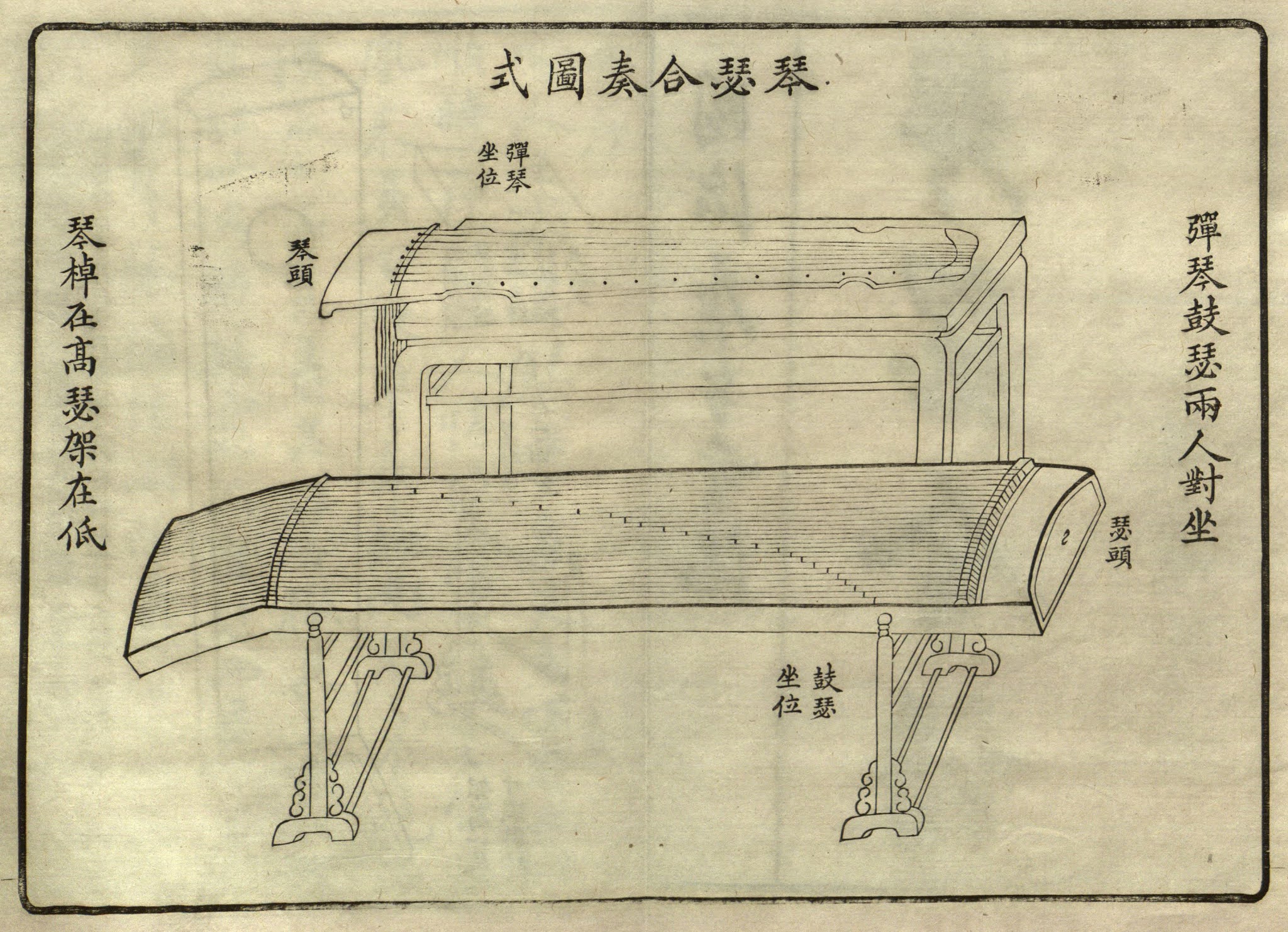
Among the most popular instruments during the Qing Dynasty were the guqin, pipa, erhu, and yangqin. The guqin, a seven-stringed zither, continued to be highly regarded and associated with scholarly pursuits and introspection. The pipa, a pear-shaped lute, showcased its versatility through expressive techniques and virtuosic performances. The erhu, a two-stringed bowed instrument, gained popularity for its ability to convey emotional depth and melodic agility. The yangqin, a hammered dulcimer, added a vibrant and resonant quality to Qing Dynasty music. These instruments, along with others like the dizi and suona, formed the backbone of the musical ensembles and accompaniment for various genres, including court music, regional opera, and folk songs.
The Qing Dynasty saw the emergence of notable musicians who made significant contributions to the musical scene. One such musician was Hua Yanjun, also known as Abing, an erhu player and composer renowned for his improvisational skills and soulful playing. His music captured the essence of Chinese folk traditions and resonated with audiences. Another influential figure was Guan Pinghu, a master guqin player who revived and popularized the appreciation of the instrument's ancient repertoire. Guan Pinghu's virtuosity and dedication to preserving traditional guqin music had a lasting impact on subsequent generations. These musicians, among others, exemplified the artistic achievements and cultural vitality of the Qing Dynasty.
Furthermore, the Qing Dynasty experienced the influence of regional musical styles, such as the Beijing Opera (Peking Opera) and Kunqu Opera, which blended music, singing, and dramatic performance. The era also witnessed the fusion of Chinese music with foreign elements, particularly during the later years of the dynasty, as Western music and instruments were introduced. This cross-cultural exchange led to the development of unique musical forms and compositions. The music of the Qing Dynasty reflects a time of cultural richness, artistic innovation, and the dynamic interplay between traditional Chinese music and external influences.