CULTURAL REVOLUTION
1966 - 1976 AD
Key Notes
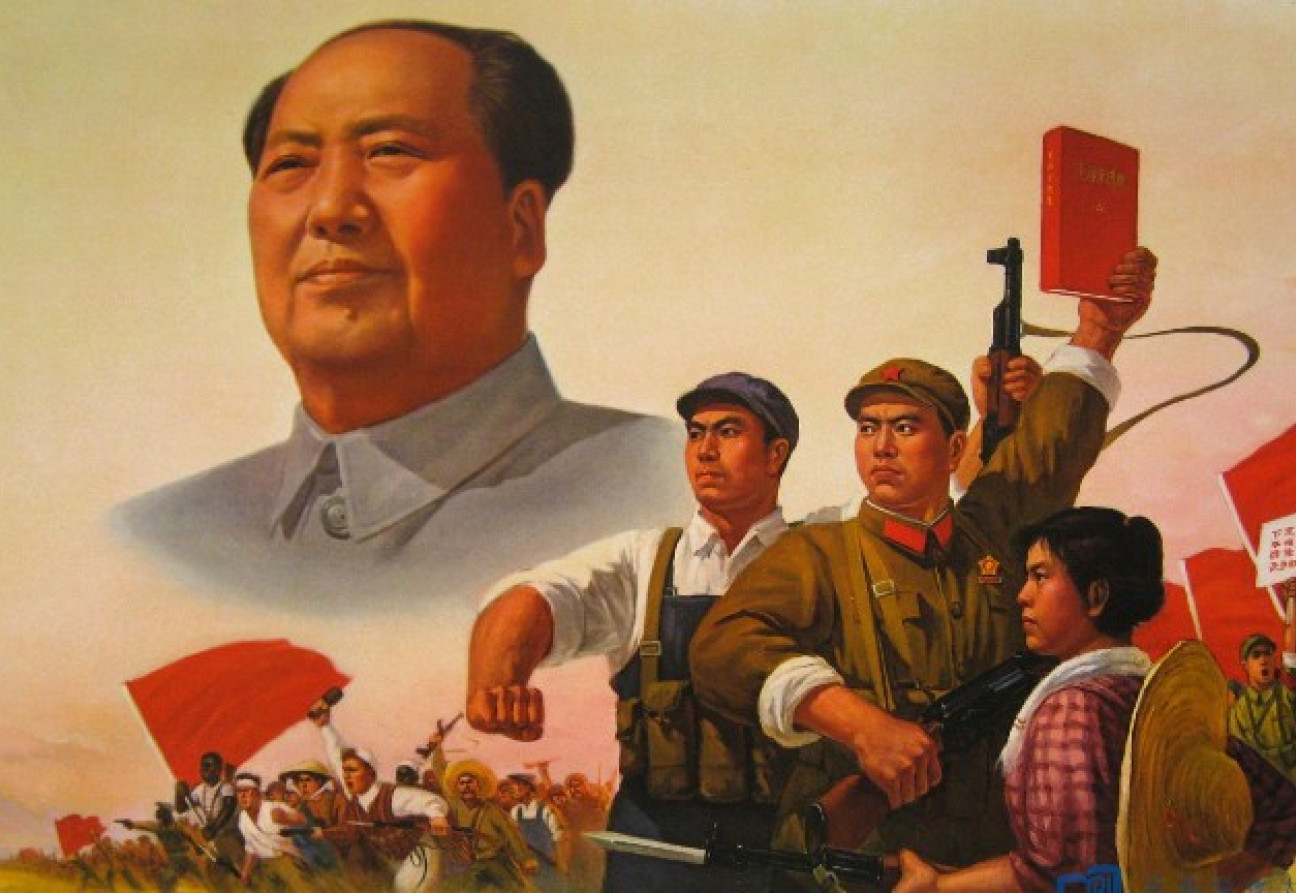
The Cultural Revolution (1966-1976) in China was a tumultuous period characterized by radical political movements and social upheaval. Music during this time underwent significant changes as it became tightly controlled and manipulated to serve the ideological agenda of the Communist Party. The settings of music were largely restricted to politically-charged events, propaganda campaigns, and revolutionary performances, while other forms of music and artistic expression were suppressed.
During the Cultural Revolution, traditional Chinese instruments took a backseat as revolutionary songs and Western-inspired music with revolutionary lyrics dominated the scene. The most popular instruments of the time were those that could be easily incorporated into revolutionary ensembles, such as the accordion, trumpet, and drums. These instruments were used to create loud and energetic music to accompany revolutionary songs and performances, often with a highly repetitive and rhythmic structure.
The Cultural Revolution saw the rise of revolutionary songwriters and performers who became popular figures due to their adherence to the political ideology of the time. Performers such as Jiang Qing (Madame Mao) and Wang Guangmei gained prominence for their passionate renditions of revolutionary songs and their association with the political elite. At the same time, traditional and classical musicians faced severe suppression, and many were persecuted or forced to abandon their careers. This period witnessed the destruction of cultural artifacts and the suppression of artistic expression in an effort to conform to the narrow ideological guidelines of the time.
It is essential to note that music during the Cultural Revolution served as a powerful propaganda tool, intended to shape public opinion, reinforce revolutionary ideals, and promote loyalty to Mao Zedong and the Communist Party. It was used to rally support, cultivate a sense of collective identity, and mobilize the masses for political campaigns. The music of this era reflects the intense ideological fervor, political control, and limitations on artistic freedom that characterized the Cultural Revolution in China.